Program Value
Why be proactive with ergonomics?
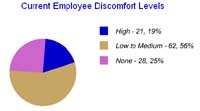
Because the employees you do not hear from are often still paying a productivity and morale cost. A proactive ergonomics program helps you identify that hidden loss before it becomes a larger business problem.
The hidden cost of waiting
Even small losses add up. A common example from workplace ergonomics is that just five minutes of discomfort-related lost time per day becomes more than twenty hours over a year. That affects productivity, focus, morale, and the quality of work long before a formal case is reported.
What proactive programs do differently
They make reporting normal
Employees have a clear path to speak up early, without waiting for the issue to become severe.
They act on patterns
Teams watch for common symptoms, repeated workstation problems, and groups that would benefit from targeted training.
They measure outcomes
Interventions and follow-up are documented so the program can show what was done and what improved.

It is not only about injury claims
Proactive ergonomics also supports comfort, consistency, and employee confidence. Training, awareness, and practical changes can reduce daily strain even when a case never reaches a formal medical process.
See Statistics and training for the education and trend-analysis side of the platform.
Make the business case with real program data
MyErgoPro gives leaders a way to connect employee reports, intervention activity, and training decisions. That makes it easier to explain why ergonomics deserves attention now rather than only after a claim appears.